Protein soot stems from low-heat, oxygen-starved kitchen fires involving animal fats, oils, and organic matter. This residue produces an off-amber discoloration that remains virtually invisible on painted drywall in…
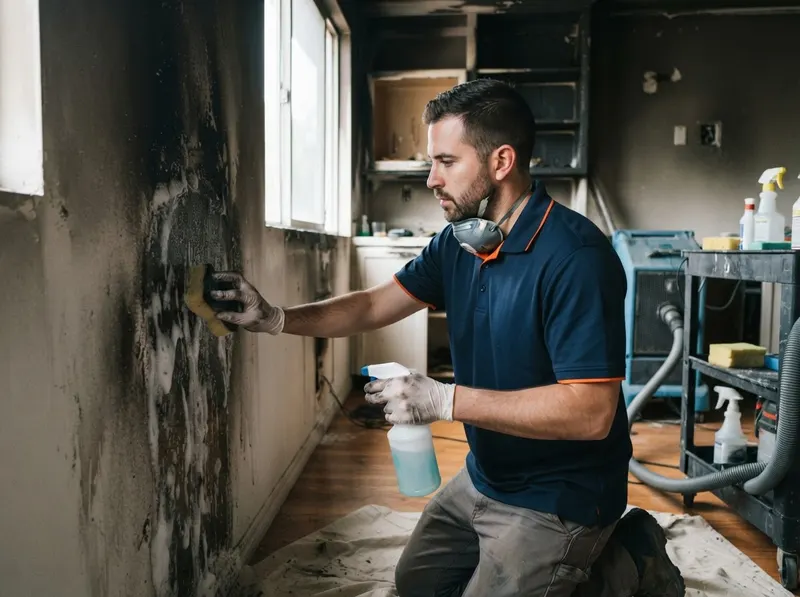
Protein soot stems from low-heat, oxygen-starved kitchen fires involving animal fats, oils, and organic matter. This residue produces an off-amber discoloration that remains virtually invisible on painted drywall in Highland Park bungalows or Mount Washington hillside properties, yet releases a pungent, rancid odor that embeds deeply into porous substrates. Synthetic soot, by contrast, results from the high-temperature combustion of petroleum-based building materials, including polyvinyl chloride (PVC) pipes, synthetic carpets, electronics, and polyurethane insulation found in modern builds throughout Brentwood, Encino, and Porter Ranch. Synthetic smoke generates dense, black, smear-prone carbon chains that react with atmospheric humidity across coastal microclimates like Pacific Palisades to form hydrochloric and sulfuric acids, which permanently pit stainless steel, corrode copper plumbing, and corrode silver-leaf mirrors within 72 to 96 hours.
The strategic trade-off rests between chemical aqueous neutralization and mechanical abrasive remediation. Wet alkaline desurfactants and chemical neutralizing rinses break the hydrocarbon bonds of protein oils without eroding underlying clear coats or cabinetry stains in Los Feliz and Silver Lake historic properties. If an untrained operator uses wet cleaners on dry synthetic carbon soot, the residue permanently bleeds into drywall paper, necessitating full demolition of the paneling. Conversely, using abrasive dry-cleaning sponges on sticky protein films merely glazes the oil over the surface, trapping the rancid odor beneath the substrate. Proper restoration demands a phased progression: dry vacuuming synthetic particulate using a critical-filter HEPA unit operating at 99.97% capture efficiency down to 0.3 microns, followed by polar solvent application, and finally chemical encapsulation.
Secondary complications in the San Fernando Valley and the Los Angeles basin emerge from HVAC circulation. In multi-zone properties across Studio City and Woodland Hills, running a forced-air system during or immediately following a synthetic fire event distributes micro-plastics and volatile organic compounds (VOCs) across unaffected rooms. To stabilize the interior atmosphere, air handlers are sealed, structural framing is treated with specialized degreasing wash solutions, and continuous 500-CFM HEPA filtration units equipped with granular activated carbon and potassium permanganate filters run continuously to scrub airborne acid gases and volatile oily particulates before odor counteractants are introduced.
Every job gets a firm, written price after a free on-site visit.
Tell us about your protein & synthetic soot neutralization job in los angeles and we'll send a clear, written quote, usually the same day.
 Top Fire Damage Restoration